
How Do Classic Cars Compare to Modern Exotics for Luxury Buyers?
Published: 09/23/2026
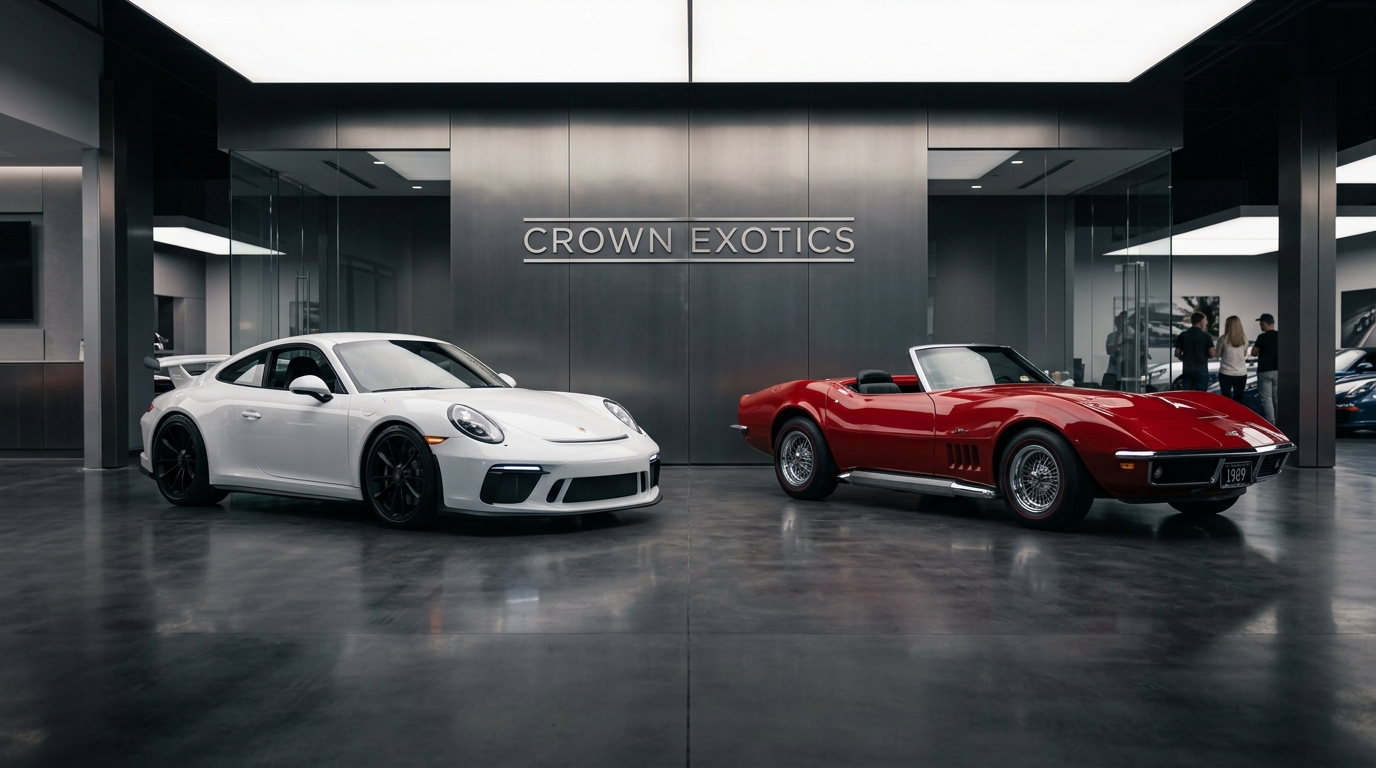
Modern exotics deliver turn-key reliability, sub-3-second acceleration, advanced dual-zone climate control, and sophisticated driver-assist technology for high-performance daily driving, whereas vintage classics offer raw analog feedback, mechanical character, and strong long-term appreciation potential. Choosing between them comes down to whether your driving priorities favor contemporary supercar performance or investment-grade automotive heritage.
Evaluating a vintage automobile against a contemporary supercar requires looking beyond raw speed. Modern exotic cars feature carbon-fiber monocoque construction, multi-mode active suspensions, and high-revving powertrains managed by rapid seven-speed dual-clutch transmissions or eight-speed dual-clutch transmissions. These engineering advancements allow a supercar to transition seamlessly from quiet street navigation along coastal highways to track-ready performance at a moment's notice. Cabin environments in modern exotics include integrated navigation, electronic stability control, and automatic climate systems that make regular commuting stress-free.
Vintage luxury cars and historic sports models appeal to a different set of senses. Powered by naturally aspirated carbureted V8s, air-cooled flat-sixes, or high-compression V12 engines paired with traditional manual gearboxes, classic automobiles provide an unassisted connection between the driver and the pavement. Every shift, throttle adjustment, and steering input requires direct engagement. While classic vehicles lack contemporary active safety technology and modern air conditioning, their finite production numbers and historical significance often turn them into appreciating financial assets rather than depreciating vehicles.
For enthusiasts seeking to experience both eras in person, our showroom offers an exceptional setting to compare vintage craftsmanship with cutting-edge engineering. You can start your journey by visiting our Ventura showroom address or by giving our specialist team a direct call at (805) 291-8281 to discuss current acquisitions.
Table of Contents
- Where Can You Buy or View Exotic, Vintage, and Luxury Cars Near Santa Clarita and Ventura?
- What Engine and Performance Specifications Define Modern Exotic Supercars?
- What Should You Inspect on a Classic Car and Are Vintage Models California Smog Exempt?
- How Much Does an Exotic Car Cost and Which Classic Brands Retain High Value?
- Common Questions About Buying Exotic and Vintage Cars in Southern California
- Find Your Next Exotic or Vintage Car at Crown Exotics, Classics & Luxury Automobiles
Where Can You Buy or View Exotic, Vintage, and Luxury Cars Near Santa Clarita and Ventura?
Automotive buyers and passionate collectors in Southern California can view and purchase exotic supercars, classic sports cars, and luxury sedans through established regional auto groups like Crown Exotics, Classics & Luxury Automobiles, as well as at regional automotive gatherings. Local events, including morning Cars and Coffee meets and organized classic cruises, provide excellent opportunities to inspect high-end vehicles in person.
Acquiring a luxury or vintage car requires a dedicated sales network capable of sourcing rare vehicles with documented provenance. Specialty dealerships maintain curated inventories that range from restored mid-century icons to current-generation exotic coupes. Beyond physical showroom displays, top-tier automotive destinations facilitate custom factory ordering programs for new luxury models, allowing buyers to select bespoke paint finishes, tailored interior upholstery, and factory performance upgrades directly from the manufacturer.
For drivers navigating the coastal routes in Ventura, where salt air and scenic highways define the driving experience, choosing a vehicle with verified paint protection or meticulous restoration quality is essential. Professional showrooms accommodate both local collectors and long-distance buyers by offering full vehicle history dossiers, detailed walk-around presentations, and structured purchasing arrangements.
Whether you plan to acquire a mid-engine supercar or a classic convertible for weekend drives, working with an experienced luxury sales staff streamlines the purchasing process. Shoppers can initiate their vehicle purchase by completing a confidential online credit application before visiting, or by reviewing our available pre-owned luxury and exotic inventory to explore current showroom offerings.
What Engine and Performance Specifications Define Modern Exotic Supercars?
Modern exotic supercars are defined by high-revving V8, V10, and V12 internal combustion engines—often augmented by hybrid electric motors—that produce well over 600 hp, utilizing carbon-fiber chassis structures and dual-clutch transmission technology to achieve 0 to 60 mph acceleration times under 3 seconds. These engineering standards distinguish genuine supercars from conventional sports cars.
At the core of supercar performance lies advanced engine design. High-rpm naturally aspirated engines and twin-turbocharged powerplants utilize dry-sump lubrication systems to maintain continuous oil pressure during severe cornering forces. Titanium connecting rods, lightweight crankshafts, and active exhaust valves maximize power extraction while meeting modern emissions criteria. When paired with all-wheel-drive systems featuring electronic torque vectoring, modern exotics transmit immense horsepower to the pavement with controlled traction.
Structural integrity and weight reduction are achieved through carbon-fiber monocoque tubs and aluminum space-frame chassis components. This rigidity enhances suspension geometry accuracy, allowing electronic adaptive dampers and active aerodynamic rear wings to maintain optimal downforce at high highway speeds. Stopping power is managed by massive carbon-ceramic brake rotors clamped by multi-piston monobloc calipers, providing fade-free deceleration under hard driving conditions.
- Powertrain Configurations: Twin-turbocharged V8s, atmospheric V10s, V12s, and hybrid-assisted powertrains generating over 600 hp.
- Transmission Systems: Seven-speed or eight-speed dual-clutch gearboxes providing sub-millisecond gear shifts.
- Chassis Architecture: Rigid carbon-fiber monocoque tubs paired with lightweight aluminum subframes.
- Braking and Handling: Standard carbon-ceramic brakes, active rear-wing aerodynamics, and electronic limited-slip differentials.
What Should You Inspect on a Classic Car and Are Vintage Models California Smog Exempt?
In California, gasoline-powered vehicles manufactured in model year 1975 or earlier are statutorily exempt from biennial smog checks, significantly lowering compliance hurdles for vintage car ownership. When evaluating a classic automobile, buyers must conduct a thorough physical inspection focusing on chassis structural integrity, matching serial numbers, body corrosion, and original documentation.
Inspecting a classic vehicle requires a methodical approach to verify authenticity and mechanical condition. Body panels should be checked with a magnet or paint-depth gauge to identify hidden body filler or previous accident repair. Subframes, floor pans, rocker panels, and suspension mounting points demand close scrutiny for rust or structural weakness. Verifying matching numbers—ensuring the engine block serial number and transmission stamping align with the vehicle identification number on the chassis plate—is vital for establishing true collector value.
When buyers examine a pre-owned vintage classic on our showroom floor, they usually ask to inspect the engine block stampings and chassis plate before reviewing the maintenance history binder. Beyond mechanical components, verifying a complete chain of ownership records, restoration invoices, and historical registration cards confirms that the vehicle has been maintained correctly throughout its life.
California's emissions exemption for 1975 and older gasoline vehicles allows collectors to enjoy vintage carbureted engines without requiring modern tailpipe tests. However, vehicles built in 1976 and later must continue meeting California Bureau of Automotive Repair smog inspection standards unless registered under specific historical vehicle exemptions or converted to BAR-compliant systems. Engaging an independent vintage specialist to perform a pre-purchase inspection remains the safest way to ensure a classic car meets performance and condition expectations.
How Much Does an Exotic Car Cost and Which Classic Brands Retain High Value?
Entry-level exotic cars generally start between $200,000 and $350,000, while limited-production hypercars routinely exceed $1,000,000, with monthly lease payments often ranging from $2,500 to over $6,000 depending on capital structure and down payment terms. In the classic market, brands such as Ferrari, Porsche, Mercedes-Benz, and original Shelby models historically show the highest rates of value retention and long-term appreciation.
Understanding the financial dynamics of luxury and vintage car acquisition involves evaluating initial capital outlay against long-term value trajectories. Modern exotic supercars experience an initial depreciation curve during their first few years of service, though high-demand limited editions often bypass depreciation entirely and sell above original sticker prices on the secondary market. Leasing an exotic allows buyers to manage capital outlay while maintaining flexibility to upgrade to newer models every two to three years.
Classic cars function under distinct financial mechanics driven by rarity, condition, and historical importance. Well-documented vintage sports cars from premier European and American manufacturers have consistently outperformed traditional luxury assets over multi-decade horizons. Air-cooled sports cars, gated-manual V8 coupes, and low-production homologation specials attract strong global auction demand, making them attractive additions to diversified luxury portfolios.
| Vehicle Segment | Typical Initial Price Range | Key Value Factors |
|---|---|---|
| Entry-Level Exotic | $200,000 – $350,000 | Current technology, factory warranty, zero-to-60 capability |
| Top-Tier Supercar / Hypercar | $500,000 – $1,000,000+ | Limited production numbers, bespoke finishes, track capability |
| Collector Vintage Classic | Market Varies by Rarity | Matching numbers, documented history, original restoration quality |
Buyers looking to transition from their current sports car into a high-end luxury vehicle can leverage their existing equity toward purchase. You can quickly value your trade-in online to establish your trade equity before finalizing your payment terms.
Common Questions About Buying Exotic and Vintage Cars in Southern California
Q: What documentation should I review before buying a classic car?
You should review original title documents, matching-numbers verification reports, complete service logs, restoration receipts, and a third-party pre-purchase inspection report. Confirming the vehicle identification number on the frame matches the title is critical for establishing true market value and avoiding title registration delays.
Q: Are enclosed transport services recommended for exotic car delivery?
Enclosed vehicle transport is highly recommended for exotic and vintage automobiles to protect low-ground-clearance bodywork, custom paint, and delicate trim from road debris, weather, and gravel damage during transit across California or nationwide.
Q: Why are carbon-ceramic brakes standard on most modern supercars?
Carbon-ceramic brakes withstand extreme thermal stress without experiencing brake fade, offering consistent stopping power under high-speed driving while reducing unsprung weight by up to 50 percent compared to traditional iron brake rotors.
Q: Can I custom order a new luxury vehicle through an exotic car dealership?
Authorized luxury and exotic dealerships facilitate custom factory ordering, allowing buyers to select personalized exterior paint shades, bespoke cabin leather stitching, carbon-fiber exterior packages, and custom wheel options directly from the vehicle manufacturer.
Q: Do all classic cars over 25 years old skip California smog checks?
California does not use a rolling 25-year smog exemption rule. Only gasoline-powered vehicles built in 1975 or earlier are exempt from biennial smog checks, meaning a 1980s or 1990s classic must still pass California tailpipe emissions testing.
Find Your Next Exotic or Vintage Car at Crown Exotics, Classics & Luxury Automobiles
Finding the ideal luxury automobile, vintage classic, or high-performance exotic requires a knowledgeable team that understands vehicle history, mechanical excellence, and tailored financial arrangements. Crown Exotics, Classics & Luxury Automobiles provides a curated environment where collectors and enthusiasts can inspect rare motorcars with complete confidence.
Our sales specialists assist you through every stage of acquisition, from evaluating matching-numbers authenticity on classic sports cars to structuring custom lease programs for modern supercars. Whether you are adding a weekend vintage vehicle to your collection or acquiring a daily-driver luxury sedan, our showroom floor features exceptional automobiles selected for their quality, condition, and performance pedigree.
Visit us today to view our available inventory in person, inspect prospective vehicles on the floor, and discuss your ownership goals with our experienced team. To start your journey, stop by our showroom address in Ventura or give our staff a direct call at (805) 291-8281 to schedule a private consultation.
Keep Your Vehicle Running Strong
Keep your vehicle performing at its best with our service team:
© 2026 Crown Exotics, Classics & Luxury Automobiles. All rights reserved.